I've realised there's a difference between stopping work and resting.
I noticed this over breakfast the other day. I was sitting alone at a cafe and left my phone alone. Then I started watching people. Someone sat down by themselves and reached for their phone. Someone else got up from a table and the person left behind picked theirs up almost straight away. People waited for coffee with their heads down, scrolling.
We seem to fill almost every empty moment.
I understand why. If you ask anyone who knows me, they will tell you I do not sit still well. My brain moves fast. There is always another task, another idea, another email, another piece of work, another thing I want to read, write, organise or finish.
When my body reaches its limit, I stop. Sometimes my body makes the decision before my brain agrees. I wake up exhausted, try to get moving and my whole system says, "Nope. Back to sleep."
Choosing rest before reaching that point feels much harder.
Stopping work is not always rest
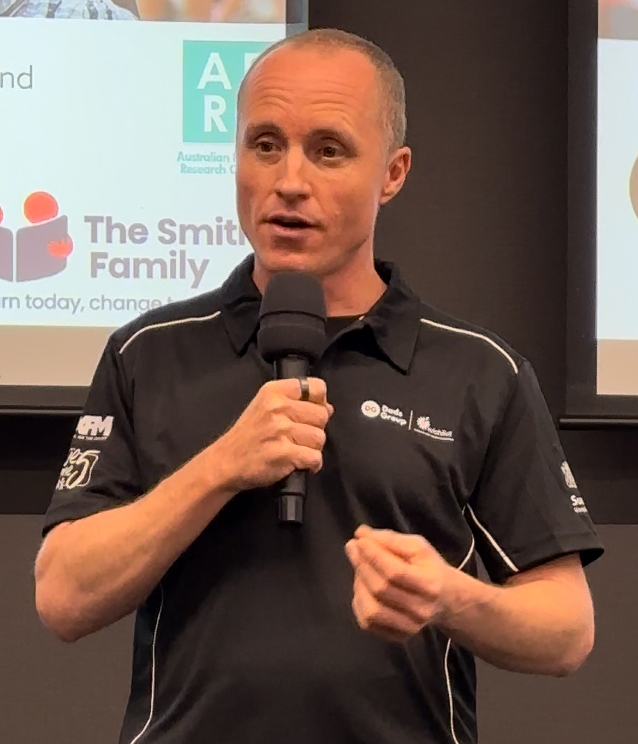
My conversation with Andrew Boniface got me thinking about this.
We spoke about high performance, burnout, perfectionism, sleep, nature, nervous systems, parenting and what happens when pushing becomes your normal setting.
Andrew spoke about the way he once treated scrolling or watching television as downtime. His body had stopped moving, but his brain was still receiving information, stimulation and input.
I recognised that straight away.
Finishing work and opening social media is still input. Going for a walk with a podcast in your ears is still input. Sitting on the couch while answering messages is still input.
None of those things are bad. I love podcasts. I love learning. I love having ideas.
But they are different from giving your mind some space.
We fill the gaps
Watch what happens next time you stand in a queue.
Or when somebody gets up from your table.
Or when you arrive five minutes early.
Or when you sit alone with a coffee.
For many of us, reaching for the phone has become automatic.
Those tiny gaps used to give us time to look around. To notice people. To let our minds wander. To stare out a window. To have a random thought without immediately feeding our brains something new.
I am starting to think those moments matter more than I gave them credit for.
Reflection takes time. So does recognising what you are feeling, what needs your attention and what has been sitting underneath all the noise.
Working on yourself does not always need another book, another podcast or another exercise.
Sometimes you need enough quiet to hear yourself.
My reflection
I make a conscious effort to put my phone away when I spend time with someone.
I do that because I want to be there with them. I want to hear what they are saying. I want them to have my attention instead of competing with a screen.
Andrew's conversation made me think about whether I offer myself the same attention.
Do I give myself time without another task waiting?
Do I leave room for a thought to wander somewhere unexpected?
Do I spend time alone without immediately finding something to consume?
I am still learning how to do this.
For someone who likes movement, ideas, projects and momentum, leaving space empty feels surprisingly difficult.
That might be exactly why I need more of it.
Play of the Week
This week, leave five minutes unfilled.
The original Play of the Week from my conversation with Andrew was to spend five minutes in nature without your phone.
This week, take it a little further.
Next time someone gets up from the table, leave your phone where it is.
When you stand in line, keep your phone in your pocket.
Sit alone with a coffee and look around.
Watch people. Notice where you are. Say hello to someone if the moment feels right. Let your mind wander without giving your brain another piece of information to process.
Try five minutes.
No task. No scrolling. No podcast. No need to make the time productive.
Maybe rest is less about doing nothing and more about learning to leave some space empty.
You do not need to fill every spare five minutes.
Some of those minutes belong to you.
This article is part of Articles & Reflections from The Element of Play, Jodi Salmond's work exploring adult play, burnout recovery, playful leadership, self-connection and more human ways of living and leading.